
The Scriptures often describe the Christian’s relationship with sin as warfare. The Orthodox Christian tradition is full of incredible writings on this subject from its 2,000 years of experience, such as The Ladder of Divine Ascent and Unseen Warfare. I do not intend here to write anything comprehensive on this subject, as these texts do a far better job than I could even dream of, but instead, I want to lay a solid foundation that is required for all other spiritual warfare we do in our walk with Christ. If we don’t start with a good foundation, we may end up hurting ourselves and causing more damage.
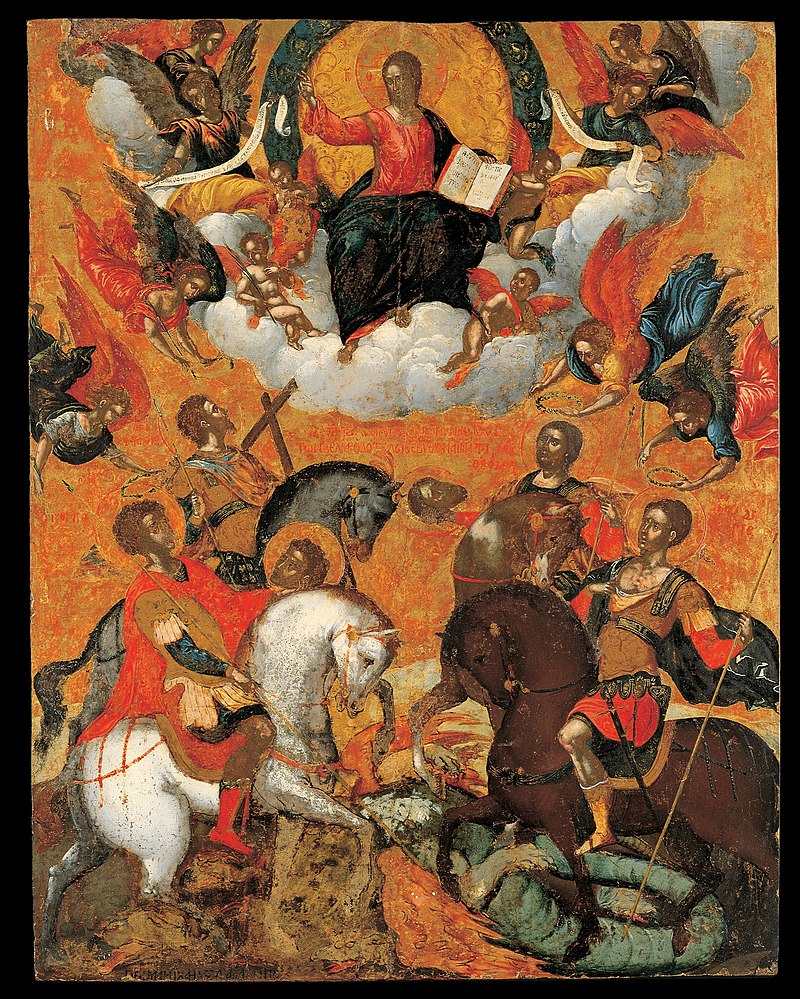
If we are going to discuss the basics of war with sin, we must discuss what sin is. The word has a long history and a lot of baggage attached to it so it’s important to be clear. In its simplest sense, the word “sin” means to miss the mark, to be what we are not meant to be as human beings, to be unnatural, to not be in accordance with our nature and our design by God. In fact, sin is not human nature! We sinful humans are not living according to our nature at all, as natures are designed by God and everything God made is good. (“Sinful nature” is actually an oxymoron, implying an intended design that is not what it should be.) Sin, in this broadest sense, can describe accidents and even illness, as these things “miss the mark” to what should be.
Going deeper, there is another layer of sin, which is the one most people are familiar with: trespassing against God’s rules. This wouldn’t describe sickness, but still might describe sincere accidents. When we break the moral rules we feel we should live by, we often experience consequences like shame, which is an emotional experience of being other than what we know we should be (going back to the idea of “missing the mark”). For the Pharisees, and unfortunately for many Christians, this is their view of God’s biggest issue with us, that we broke His rules and He is angry with us, and that He won’t forgive us unless someone dies.
However, there is one layer deeper to the reality of sin, and the Church Fathers call it self-love. It can also be called pride, self-will, and many other labels. It is a sick state of the heart, caused by God’s absence, where the heart loves only itself and thinks only of itself. When such a heart looks at Creation, since it does not see with God’s love, all it sees is this: “how can these objects please me?” One moment the sinner may be nice to people, because that produces in others a reaction of favor that pleases it. The next moment, when they fail to please our sinful hearts, the sinner lashes out in anger and blame. While we may have traumas, hard times, valid struggles, etc. it is important to be honest with ourselves that even amidst all of these variables, there is a part of us that truly prioritizes ourselves. Without God and His love flowing within us, this is the sickness that has overtaken us all and has brought death to this world. This spiritual illness is the reality we are warring with as Christians. When we seek salvation, we are not seeking to be rescued from an angry and retributive God, but we are seeking to be freed from this self-love and united instead with the agape (self-giving) love of God.
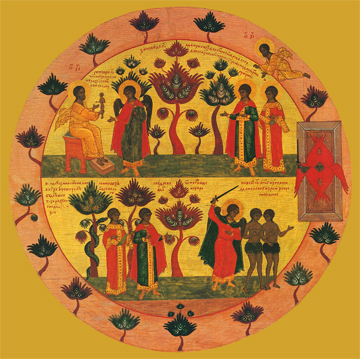
When we shift from the legal focus of the second definition, to the healing focus of the third definition, everything changes. Before, we had a terror of approaching God. If the worst thing in the whole universe and the fall of all men was caused by the “impurity” of our law-breaking, how could such a person approach God while still sinning? Some traditions might try and claim that God sees Christians as righteous even when we are still sinning, but our hearts and minds cannot disconnect from truth any more than God can. If we sin, we know deep down that we are a sinner. Such a god who cannot show mercy (because mercy by definition is forgiveness with no payment) is not a god we can feel safe around, and not one we would really want to be like, and is a god who tells us to forgive without payment when he does not.
But this is not the God we serve. The God we serve is perfect love, who prayed for those who sinned against Him personally that they would be forgiven, knowing His Father would grant His prayer. Unlike us, who objectify and abuse others, Christ can not be shaken from His love for us, for His desire is our good, no matter what we do for Him. Jesus Christ is not a God who works wills human terror, but exemplifies that “perfect love casts out fear” as the Scriptures tell us. He often compares His longing for us to a faithful Groom longing for His unfaithful bride. His singular desire is to be united with us, for us to have “knowledge of God” through becoming like Him.
For I desire mercy, not sacrifice, and knowledge of God rather than burnt offerings.
+ Hosea 6:6
Thus, our war with sin is not fought by opposing the sin, but by clinging to Christ. If sin is a symptom of distance from God, how could we ever overcome the symptom before we cured the illness? How could we cease sinning and be worthy to approach God, when righteousness itself is His presence within us? As St. Justin Popovich tells us, there is no true man that is not God-man. A true man by nature is a man united with God, and anyone not united with God already “misses the mark” of a human being by definition and design.
This means that our only choice is to approach God when we are unworthy. This, further, means that our only hope is that we are not dealing with an angry and retributive God, but a merciful God who longs for us. Thankfully, we have such a God, who tells us “come to Me, all you who are weary, and I will give you rest.” If sin is a result of distance from God and distance from His perfect love, then how could we ever hope to overcome it simply by opposing it? We have not addressed the true cause.

+ St. Pophyrios of Kavsokalyvia +
Our whole problem is we have tried to do everything without God, and now we think we will overcome sin without Him, too? No, our only hope is to come to Him while unworthy, that He might enter our unworthy hearts, and thus make us truly human, truly fueled by His love, so that we no longer trespass against Him. This is the only way to defeat sin. This is why righteousness comes from Christ alone, not as something He does to us, but as something He is in us.
This clarifies for us what we are fighting against, not simply that we outwardly break God’s laws, but the deeper cause of these symptoms, the heart that is distant from the self-giving God and instead has grown into a self-serving heart. To focus on the sins themselves as the issue is like holding in a cough and then celebrating that you are no longer sick. Yes, our sins (trespasses) do matter, but their main purpose is so that we see we are sick! We often ignore that God could help us stop misbehaving easily, but He is interested in healing the deeper sickness within our hearts. The devil, on the other hand, is trying to get us to focus on amending behavior, which is why the Pharisees were so focused on the laws. Christ wants to cleanse the self-love and idols from the temple of our hearts so that He may fully abide there. “Salve” is a medical term for healing ointment, and thus we understand with historical Christianity that this work of Christ in us is truly “salvation.”
What does this look like in practice? It first of all means that we look to Christ at all times and in all things, and increase this as much as we can. This grows into the practice that Scripture says is to “pray without ceasing” (1 Thess. 5:17). St Basil the Great says that all things a Christian does should become prayer, until our whole life becomes prayer. This is because prayer is not simply talking to God, but communion. Like any relationship, it begins with conversation, but just like a couple who is dating, it means doing activities together. Likewise, the most basic method of friendship with God is that we pray whenever we can, even while we do simple work and labor. Eventually this method, combined with other spiritual tools God has given us, makes us like the Saints so that we no longer depart from Him. But we must realize we have been given a lifetime to work on this for a reason: it will take time!
What we have discussed so far also means being aware of the false ways we war against sin that actually make the problem worse. There are many ways we try to war with sin that actually feed our self-reliance, and the self-focus is the very essence of sin itself, which separates us further from God. St Nikodemos of the Holy Mountain notes that if we fall into a sin, and afterwards we focus on regret and shame in order to motivate ourselves not to sin again, we are often stirring the very thing that caused our fall in order to set us up for another. Sin came about by our self-focus, so how will focusing on our own willpower do anything but lead us back to the same sinful self?
Instead, St Nikodemos advises us that when we fall, we must immediately run to Christ, make the sign of the cross three times, and ask God for His mercy and forgiveness. He takes it a step further and says we should even find something in our fall to thank God for, such as thanking Him that we didn’t fall even further! Such actions of turning to Him in prayer and thanking Him are powerful because now we are actually addressing the root problem, which is distance from God. Yes, we must approach with humility. Yes, it may be difficult due to shame. Yet, if our desire is truly healing, peace, and salvation, then this is our only option. Isn’t it better than beating ourselves up, as the demons push us to do?
A key element of our struggle is also to remember the importance of peace. While God does allow us trials, struggles, and stress, it’s important to understand that the terror and hopelessness we feel in our sins will make the problem worse. Sometimes the demons torment us with fears that we are too sinful, or tell us we must beat ourselves up. But the Saints repeatedly tell us that thoughts from God, while leading us to humility and repentance, also should be peaceful and gentle. To have a peace from justifying ourselves is demonic, but beating ourselves up and destroying our peace is demonic too. The healthy medium is to be honest about our faults before God, but to rest in His love.
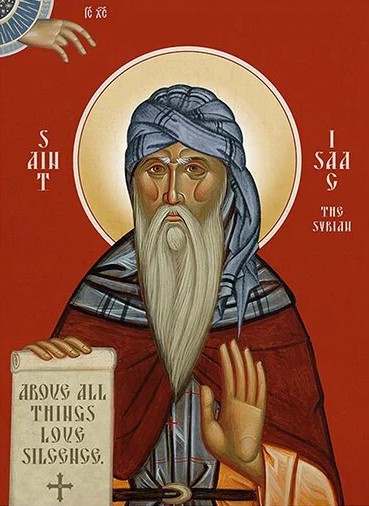
+ St. Isaac the Syrian +
Imagine you loved someone very much, and they stole from you, and then sincerely apologized. If you expressed that you forgave them and deeply wanted to be friends again, but they wouldn’t accept it and beat themselves up, would that make you feel better or worse? Certainly worse! Likewise, if our focus is on God, then we will think about what He wants from us, not just about our shame. We will remind ourselves that He wants the same thing that the father of the Prodigal Son wanted: Christ wants His sons and daughters that He adores to come home, and to enjoy the peace of His love. In fact, to be constantly terrified of Him would be to hurt Him more, to suggest He is evil and merciless when He is actually kind and good to us. Thus, peace is the natural state that all spiritual warfare is done because it is a testimony to who He is and a reliance on His character. Again, we are leaning on Christ as both our God and our friend, addressing the core problem that caused the Fall in the first place.
“But don’t the Saints weep over their sins?” Yes, but they are not weeping in a way that destroys their peace. Peace is destroyed when we put hope in ourselves to be saved, because we know deep down that we cannot save ourselves. Whereas peace in a loving and powerful God is justified and realistic. On their journey to becoming Saints, these men and women truly believed they were the “chiefs of sinners” as St Paul says, and thus when they sinned it was not a shock. It is only pride that is shocked by our sins. For them, there was no shock, it only confirmed what they already knew! However, sin is still heartbreaking, and thus they wept with sadness over their sins while still having peace in the Lord. Even a person who is forgiven for evil still is saddened by it, and must be reconciled. Thus, even with a God who is forgiveness itself, we still go to confession, not with terror but with grief.
This is why so many Saints boil down practical advice on this spiritual life to this: struggle. Put in effort. Effort is the expression of a loving heart, but for sinful hearts it still expresses a longing that God can turn into love. St Paisios tells us, “God loves your effort, not your perfection.” Perfection is God’s business, which is why St Paisios tells us also that, “desire and effort must come from you, God will provide the power and the result.” In the process of struggling, one sees their own weakness, and is pushed to seek and thank God even more.

“The Lord sometimes allows people who are devoted to Him to fall into such dreadful vices; and this is in order to prevent them from falling into a still greater sin – pride. Your temptation will pass and you will spend the remaining days of your life in humility. Only do not forget your sin.”
— St. Seraphim of Sarov
For a lot of us, we’re so used to responding to our sin with toxic shame that it makes our struggle self-defeating. The Saints give us some teaching that shows us our weakness, and instead of seeing that this is an opportunity, we listen to the demons who tell us how hopeless we should be. It is like going to the doctor, being diagnosed and prescribed a medicine, and instead of taking the medicine we sit and wallow about how sick we are. Negativity is a habit, and we have to begin thanking God for the very things we are used to being negative about, even the way God turns our sin into good as St Nikodemos said earlier.
It is important to realize that for many of us, the beginning of asceticism is simply the struggle to accept where we are at. If we cannot accept reality, which is guided by God’s providence, then we will be disconnected not only from God but from reality. Neurosis is the natural result of not accepting reality, and thus being unwilling to accept that we are flawed and need God makes us mentally unwell. As I said before, the Lord is saddened when we say we are upset that we sin against Him, yet reject His forgiveness.
Of course, even that statement the demons might whisper to us “Ah see? Look how bad you are!” In response to this, I encourage people to ask themselves: “How miserable will you have to be before you hate these voices that cause you such misery? How much suffering will it take for you to hate and reject the awful things they say about you? Why make these invasive thoughts into a god that judges reality, when there is a REAL God and He is so kind and loving?” While the spiritual life is hard, there is nothing that can take away our ability to struggle if we truly seek it.
Orthodoxy has a strong tradition of remembering Hell and death as a way to push us to Christ. However, this is not for everyone, which is why we have a spiritual father to help us decide what thoughts are good for us. St Porphyrios, for example, advised people not to be hard on themselves, but that it is better to struggle out of love, or at least out of desire to love God. As someone who used to beat myself up a lot, I have had to simplify my seeking of Christ to this basic level. When I start to worry about my flaws and sins, what other people think, or a myriad of other worries the demons trick me into, I tell myself this:
All of this is secondary, and not nearly as important as how I feel right now. “One thing is needful.” When I come around the corner at the Last Judgement, and Christ spots me from His throne, will He smile or will He frown? If He smiles it will be heaven already, and likewise if He frowns it will be Hell. Everything else matters only in relation to this. All my effort, all my participating in the Orthodox life, must be for this and this alone.
There is so much more I could say, and our Saints are a treasure trove of wisdom on how to fight individual passions, but we must have this spiritual understanding as the foundation of all the fighting we do. The point is not to deal with the rule-breaking, though that most certainly should be part of the process. The point is to be united with Christ, in Whom we find the only place that true sinlessness exists. This is the Gospel, not that we won’t be sent to Hell if we rationally accept Christ’s payment, but that man was made for union with God and that door is opened through the work of Christ. Our faith is not about “going to heaven” but about intimate union with our Creator, which is what heaven is, even on earth! This is not something for the next life but something God wishes for us to enter into in this life! But we must have patience with the “treatment” program, which also means patience with our own weaknesses and falls.
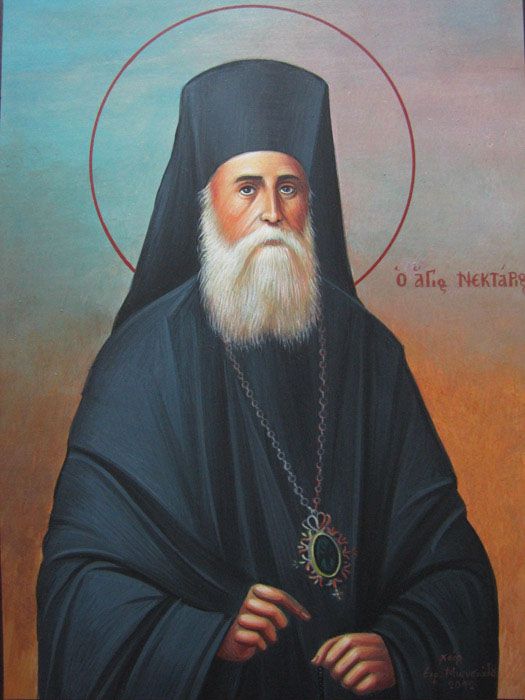
+ St. Nectarios of Aegina +
The simplest practice I could give to sum this all up is this: when you are tempted, run to Christ and cling to Him with prayer. Should you fall, run to Christ and cling to Him, asking for mercy and thanking Him for all the mercy He has shown. If you are doing this, you will certainly grow in spiritual strength and move forward in the spiritual life, even with falls. If you do not do this, every other effort is completely futile and you are on the path to Hell. While that may sound harsh, such a path of “cling to Christ no matter what” is why Christ Himself says “my yoke is easy, my burden light” (Matthew 11:30).
Truly, a God who most of all asks us to cling to Him is a God who has a deeply unconditional love. Let us show our gratitude by giving Him the one gift He has asked for in return: a good struggle towards Him. And in this, we know that “He who began a good work in you will carry it on to completion until the day of Christ Jesus” (Phil. 1:6) for “He endures until the end will be saved” (Matt. 24:13).
What shall I return to the Lord for all his goodness to me?
I will lift up the cup of salvation and call on the name of the Lord.
I will fulfill my vows to the Lord in the presence of all his people.
Psalm 116
If you valued this post, I suspect you’d find The Explorer a very edifying short story.
If you want to meet personally to talk about spiritual and psychological struggle and all that it entails, feel free to contact me.
 Thaddeus Patrick
Bravo! I wholeheartedly agree with and recommend your method👍🏻
LikeLike